
Give as a gift
Dynamic visuals and writing come together in the form of unique storytelling in these seven shorts. Ghosts, dopplegangers, and overbearing mothers alike serve as ways to explore themes of regret, forgiveness, and cultural identity.
This screening features 7 films. Toggle between film descriptions by scrolling and clicking on the buttons on the top right.
Shig, a Yakuza stuck in his ways, becomes haunted by one of his victims. Ken, the ghost, only asks for a single act of kindness. Since he can't kill someone twice, Shig finally has to face the music.
Director Biography - Ethan Okamoto
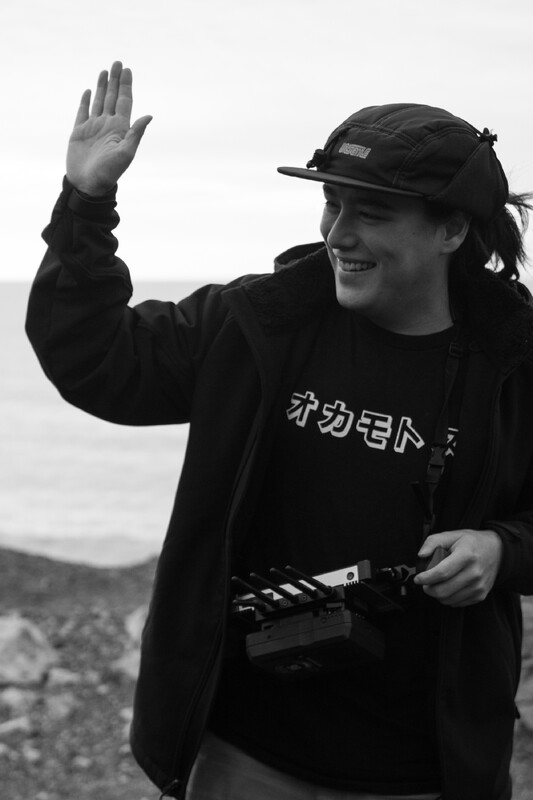
Growing up attending Asian American community events like Tuesday Night Cafe, Ethan Okamoto is inspired by community-engaged storytelling. With Yakuza Ondo being his directorial debut, Ethan works to amplify often unseen aspects of Japanese American experiences into fun and heartfelt stories.
Director Statement
My goal was to combine aspects of mainland Japanese cinema with Japanese American culture, creating this pulp that unites the two. Inspired by Yakuza films like Sonatine (1993) and Hanabi (1997), I infused Japanese American dance, music, historic location, and spiritualism into the genre. A genre typically depicting a stoic and masculine lead fighting and shooting his problems away, is subverted by a surreal, yet spiritual encounter.
The visual style is faithful to 90s Japanese gangster movies, as well as incorporating a Ukiyo-e woodblock style to showcase the spiritual presence in the film. Utilizing deeper stops, high angles, and a slow and static approach to cinematic storytelling. A visual synthesis of the Japanese culture handed down over generations and what it has blossomed into abroad for a Japanese American community that is often at odds with mainland culture.
Engaging the community was an essential part of this film and my larger filmmaking practice. We partnered with Takahashi Market, a 100+ year old Japanese American market and institution within the Bay. Not only did they provide their store for filming, they also fed our cast and crew. Curious patrons and neighbors even joined the filming and production, which became their introduction to filmmaking. San Jose Chidori Band, PJ Hirabayashi, and Shin Kawasaki contributed to the score -- all three groups reflect Japanese and Japanese American community. My film and artistic lineage is owed to the wisdom and artistry of Japanese American artists before me, which I could not have done without.
Yakuza Ondo is a film that I hope will entertain as well as bring a little joy and whimsy to audiences near and far.
Dynamic visuals and writing come together in the form of unique storytelling in these seven shorts. Ghosts, dopplegangers, and overbearing mothers alike serve as ways to explore themes of regret, forgiveness, and cultural identity.
This screening features 7 films. Toggle between film descriptions by scrolling and clicking on the buttons on the top right.
Shig, a Yakuza stuck in his ways, becomes haunted by one of his victims. Ken, the ghost, only asks for a single act of kindness. Since he can't kill someone twice, Shig finally has to face the music.
Director Biography - Ethan Okamoto
Growing up attending Asian American community events like Tuesday Night Cafe, Ethan Okamoto is inspired by community-engaged storytelling. With Yakuza Ondo being his directorial debut, Ethan works to amplify often unseen aspects of Japanese American experiences into fun and heartfelt stories.
Director Statement
My goal was to combine aspects of mainland Japanese cinema with Japanese American culture, creating this pulp that unites the two. Inspired by Yakuza films like Sonatine (1993) and Hanabi (1997), I infused Japanese American dance, music, historic location, and spiritualism into the genre. A genre typically depicting a stoic and masculine lead fighting and shooting his problems away, is subverted by a surreal, yet spiritual encounter.
The visual style is faithful to 90s Japanese gangster movies, as well as incorporating a Ukiyo-e woodblock style to showcase the spiritual presence in the film. Utilizing deeper stops, high angles, and a slow and static approach to cinematic storytelling. A visual synthesis of the Japanese culture handed down over generations and what it has blossomed into abroad for a Japanese American community that is often at odds with mainland culture.
Engaging the community was an essential part of this film and my larger filmmaking practice. We partnered with Takahashi Market, a 100+ year old Japanese American market and institution within the Bay. Not only did they provide their store for filming, they also fed our cast and crew. Curious patrons and neighbors even joined the filming and production, which became their introduction to filmmaking. San Jose Chidori Band, PJ Hirabayashi, and Shin Kawasaki contributed to the score -- all three groups reflect Japanese and Japanese American community. My film and artistic lineage is owed to the wisdom and artistry of Japanese American artists before me, which I could not have done without.
Yakuza Ondo is a film that I hope will entertain as well as bring a little joy and whimsy to audiences near and far.